


When institutional buyers evaluate a retail acquisition, the first document they open is the offering memorandum—and the retail maps for investment sales included in that package either build immediate confidence or raise silent red flags. A polished, branded map signals a well-managed asset and a professional brokerage team, while a sloppy or generic map suggests the deal might not be worth a deeper look.
Why Retail Maps for Investment Sales Make or Break Your OM
Investment sale marketing CRE is a high-stakes competition. Your OM sits in a stack of dozens of proposals on a pension fund or REIT acquisitions desk. Before these decision-makers read your cap rate analysis or dive into the rent roll, they look at the visuals to gauge the asset's quality and the broker's professionalism.
Institutional buyers expect retail property marketing materials to reflect the quality of the asset itself. A map that relies on standard GIS screenshots with tiny, unreadable dots and color-coded layers doesn't just fail to impress—it actively undermines your credibility. Buyers equate low-effort marketing with low-quality deals.
The Visual Hierarchy of an Institutional Buyer Presentation
In a competitive institutional buyer presentation, the location map serves as the anchor point for the entire narrative. It answers the fundamental question: Where is this asset, who surrounds it, and why does that matter?
The most effective maps prioritize visual clarity over data density. Instead of cramming demographic heat maps or AADT overlays onto a single page, successful investment sales brokers isolate the most compelling visual data: national credit tenants operating in the immediate trade area.
What Institutional Buyers Actually Want to See on Your Map
Buyers reviewing retail maps for investment sales are looking for three specific visual confirmations before they ever read the fine print.
National Credit Tenant Mix and Brand Logos
Institutional investors are buying stabilized cash flow, and that cash flow is only as reliable as the tenants paying it. Seeing familiar, national credit brand logos—Starbucks, Target, CVS, Chase, Walgreens—clustered around your subject property immediately communicates tenant quality and trade area strength.
Official brand logos on your map provide instant recognition. A buyer shouldn't have to squint at a text legend to figure out what "Occupant A" or "Retail 1" represents. When they see the actual Starbucks siren or the Target bullseye pinned to the map, they immediately process the location's commercial viability. Tools like CRE Retail Maps give you access to a searchable library of over 1,000 official brand logos specifically for this purpose.
Proximity to Traffic Generators and Highway Access
Visibility and access drive retail valuations. Institutional buyers want to visually confirm the relationship between the subject property and major demand drivers:
- Highway interchanges and major arterial intersections
- Regional malls, power centers, or big-box anchors
- Dense residential feeder neighborhoods
- Employment hubs or medical centers
- University campuses or military installations
Leader lines that connect brand logos directly to their precise map locations make these proximity relationships immediately clear. A buyer should be able to trace a line from a major anchor tenant to the subject property in seconds, understanding the co-tenancy benefits without reading a paragraph of text.
Anchor Tenant Presence and Co-Tenancy Strength
For inline retail or shadow-anchored centers, the presence of a strong anchor tenant is a primary value driver. Institutional buyers need to see anchor positioning clearly—ideally with the anchor's logo prominently displayed and its spatial relationship to your subject property visually obvious.
How to Create Professional Retail Maps That Command Higher Valuations
The difference between a good OM and a great one often comes down to map presentation. Here is the workflow for creating institutional-grade retail maps for investment sales.
Step-by-Step Map Creation Process
- Pin your subject property with a custom, prominently labeled marker that stands out from the surrounding context
- Auto-find nearby businesses by category to populate the map with relevant tenants without manual data entry
- Select official brand logos for all national and regional credit tenants within your defined trade area
- Apply leader lines connecting each logo to its precise location on the map
- Group logos into labeled clusters by category (dining, financial, grocery, fitness, etc.) for quick visual parsing
- Choose a map style that matches your OM's design aesthetic—light, minimal, or dark styles work best for institutional presentations
- Apply your brokerage's custom color scheme to maintain brand consistency across the entire package
- Export as a high-resolution PNG for the printed OM or a branded PDF template for digital distribution
Choosing the Right Map Style for Your OM
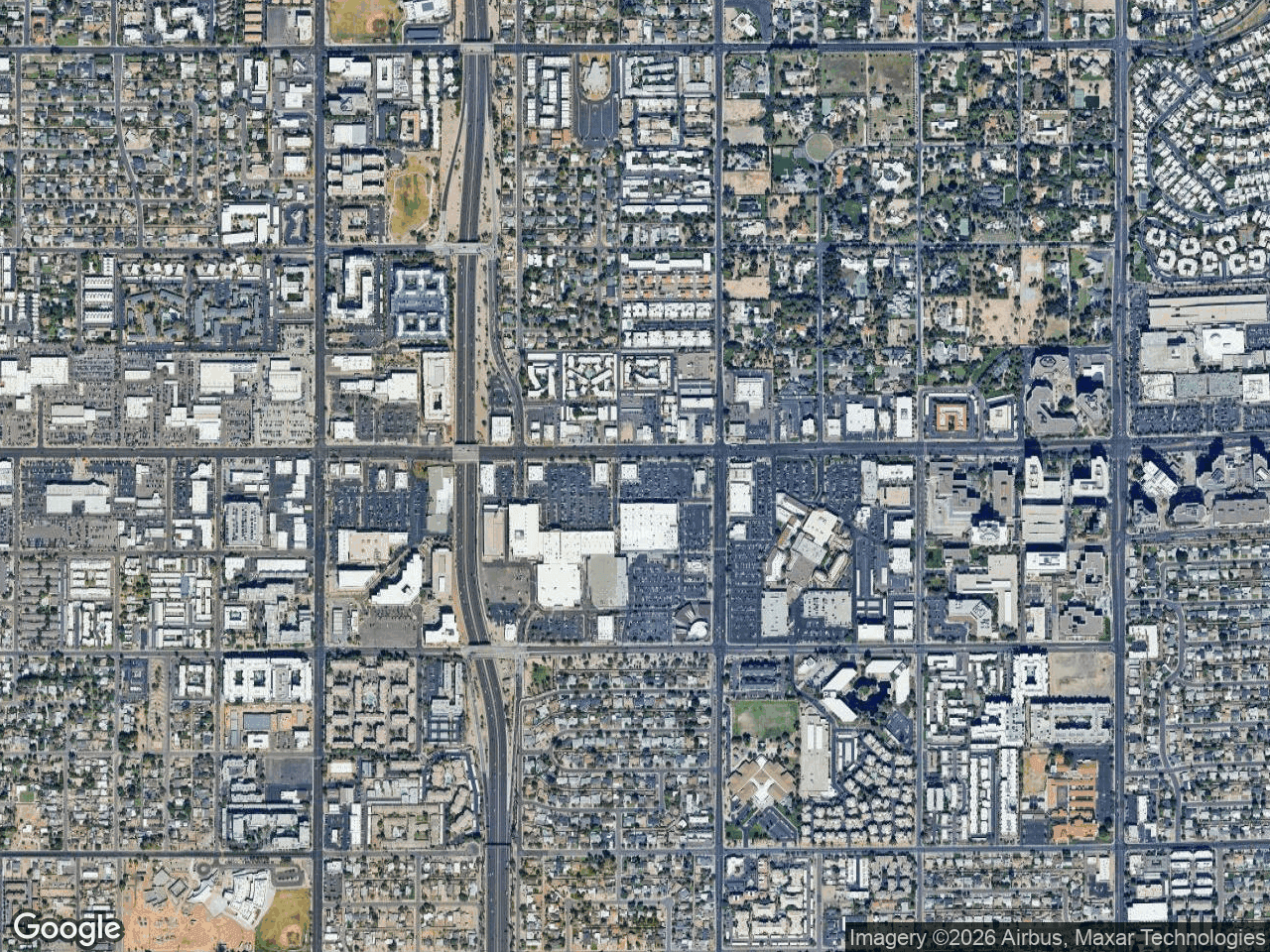
The map style you choose sets the tone for the entire page. Satellite imagery can be useful for showing physical context, but it often creates visual clutter that distracts from tenant logos. Light and minimal styles tend to perform best in institutional buyer presentations because they provide geographic context without competing with the brand logos and leader lines that carry the actual information.
If your OM uses a modern, clean design with plenty of white space, a minimal map style maintains that visual language. For more traditional marketing packages, a light or retro style offers a professional, understated backdrop.
Comparing Map Creation Options for Investment Sale Brokers
Brokers have several options for creating retail property marketing materials, but the differences in cost, speed, and output quality are significant.
| Feature | CRE Retail Maps | Reblie | SitesUSA | DIY (GIS/Photoshop) |
|---|---|---|---|---|
| Pricing | $39/month flat | Custom quotes, per-map | $500+ per project | Free (labor-intensive) |
| Official Brand Logos | 1,000+ searchable library | Limited | Limited | Manual sourcing |
| Map Styles | 8 professional styles | 2-3 options | 3-5 options | Unlimited (manual) |
| Branded PDF Export | Yes | No | Yes | Manual |
| Leader Lines | Yes | No | Yes | Manual |
| Turnaround Time | Under 10 minutes | Days | Days to weeks | Hours to days |
| Setup Required | None | Sales consultation | Sales call required | Significant |
For an investment sales broker producing multiple OMs per quarter, the combination of speed, brand accuracy, and professional output is difficult to replicate without a dedicated tool.
The ROI of Professional Map Presentation in Investment Sales
Institutional buyers make rapid, visual judgments. A study of commercial real estate marketing effectiveness consistently shows that packages with professional visuals receive higher initial bid rates and faster LOI submissions. When your retail map looks like it was produced by a top-tier institutional marketing team, buyers subconsciously associate that quality with the asset itself.
This isn't about cosmetics—it's about deal velocity and pricing confidence. A buyer who can immediately see the strength of your tenant mix, the proximity to traffic generators, and the professional presentation of the data is a buyer who moves forward with conviction.
Conclusion
Retail maps for investment sales serve as the visual anchor of your entire marketing package. Institutional buyers expect to see professional-grade brand logos, clear spatial relationships, and cohesive brokerage branding—not generic GIS screenshots or hand-drawn approximations. By focusing on visual clarity—official logos, leader lines, categorized groupings, and clean map styles—you give buyers the confidence to act quickly and bid aggressively. For your next institutional buyer presentation, CRE Retail Maps gives you the tools to produce that level of quality in under ten minutes, at a flat rate that makes sense for any investment sales desk.