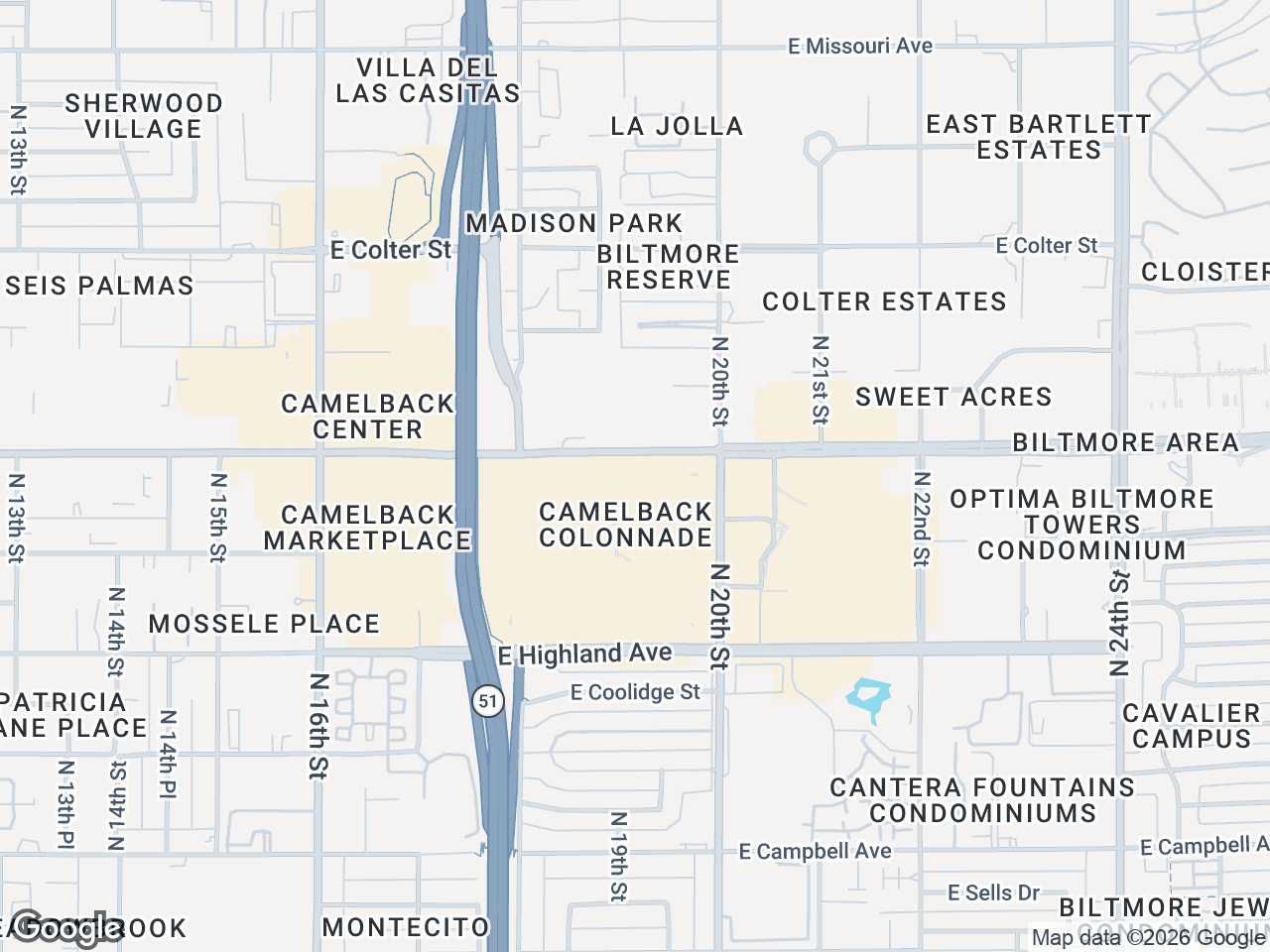



If you've spent any time putting together an offering memorandum or a lease proposal, you've encountered both retail maps and site plans. They often appear on consecutive pages of the same document, and at first glance they can look similar -- both are visual representations of a property and its surroundings. But they serve fundamentally different purposes, contain different information, and are created using different tools.
Understanding the distinction helps you decide which deliverable a given situation calls for, and how to produce each one efficiently.
What Is a Site Plan?
A site plan is a scaled, top-down drawing of a specific property or development. It shows the physical layout of the site itself:
- Building footprints — - the shape, size, and position of structures on the parcel
- Parking areas — - lot layout, drive aisles, parking counts
- Lot lines and setbacks — - property boundaries and required distances from those boundaries
- Access points — - driveways, curb cuts, ingress/egress locations
- Pad sites — - outparcel locations for freestanding buildings
- Square footage callouts — - the size of each unit or building
- Tenant names — - who occupies each space (for existing properties)
Site plans are typically produced by architects, civil engineers, or professional design firms. They're drawn to scale, often based on survey data, and may include dimensions, easements, and utility information. A well-drawn site plan answers the question: "What does this property look like, and how is the space organized?"
What Is a Retail Map?
A retail map zooms out. Instead of showing the internal layout of a single property, a retail map shows the surrounding commercial ecosystem -- the brands, stores, restaurants, and services in the broader trade area.
A retail map typically includes:
- Brand logos for major national and regional tenants within a defined radius
- The subject property highlighted or called out
- Major roads and highways with names and route numbers
- Category groupings — - restaurants, banks, grocery, fitness, etc.
- Leader lines connecting logos to their map locations
- Visual styling — - color schemes, map styles, and branding that match the marketing package
A retail map answers a different question: "What is the surrounding retail environment, and who are the neighboring tenants?" This is the information that prospective tenants, investors, and lenders care about when evaluating a location's commercial viability.
When to Use Each
Site Plans Are Used When:
- A tenant needs to understand the physical space they're leasing -- unit size, entrance location, parking proximity
- An investor needs to evaluate the property's physical layout, density, and development potential
- A developer is planning construction and needs to show pad site locations or building orientation
- City planning or zoning review requires a scaled drawing of the proposed development
Retail Maps Are Used When:
- A tenant wants to know who else is in the area before committing to a lease
- An investor needs to see the quality and density of the surrounding retail ecosystem to assess foot traffic potential
- A broker is marketing a listing and wants to demonstrate the property's strategic location relative to major brands
- A lease proposal includes a "trade area overview" or "surrounding retailers" section
In Practice, You Need Both
Most offering memorandums include both a site plan and a retail map. They complement each other. The site plan shows the property; the retail map shows the context. A great location with a poor physical layout is a problem. A great physical layout in a weak retail area is also a problem. Together, the two documents tell the complete story.
How They're Created
Site plans are typically produced using CAD software (AutoCAD, Revit) or by professional drafting services. They require survey data and technical precision. Producing a site plan in-house without architectural training is difficult and generally not advisable -- errors in scale or dimensions create liability issues.
Retail maps, by contrast, are well-suited to self-serve tools. A platform like CRE Retail Maps lets brokers build a professional retail map in minutes using a searchable library of over 1,000 brand logos, auto-find nearby businesses by category, leader lines, drag-to-group containers, and multiple map styles. The output -- either a branded PDF or a high-resolution PNG up to 4K -- is ready for direct insertion into an OM or presentation.
This distinction matters for workflow planning. Site plans are usually ordered from a vendor or sourced from the property's existing architectural files. Retail maps can be produced on demand by the broker or marketing coordinator, updated in real time as tenant mix changes, and customized for each pitch.
The Takeaway
Site plans and retail maps are both essential tools in commercial real estate marketing, but they're not interchangeable. The site plan documents what the property is. The retail map documents where the property is -- and more importantly, what surrounds it.
If you're assembling an OM, include both. If you're putting together a quick pitch for a prospective tenant, a retail map showing the strength of the surrounding retail often makes a stronger first impression than a site plan. And if you're producing retail maps regularly, a dedicated tool like CRE Retail Maps will save you significant time compared to building them manually in PowerPoint or waiting on a third-party design service.
Know the difference, use the right tool for each job, and your deliverables will speak for themselves.