



Commercial real estate is a relationship business, but relationships alone don't close deals. The marketing materials you produce — retail maps, offering memorandums, flyers, brochures, and digital campaigns — shape how prospects perceive your properties and your professionalism. Strong materials build confidence. Weak ones raise doubts.
This guide covers every major type of CRE marketing material, explains when to use each one, and shares best practices for creating materials that actually move deals forward.
Retail Maps
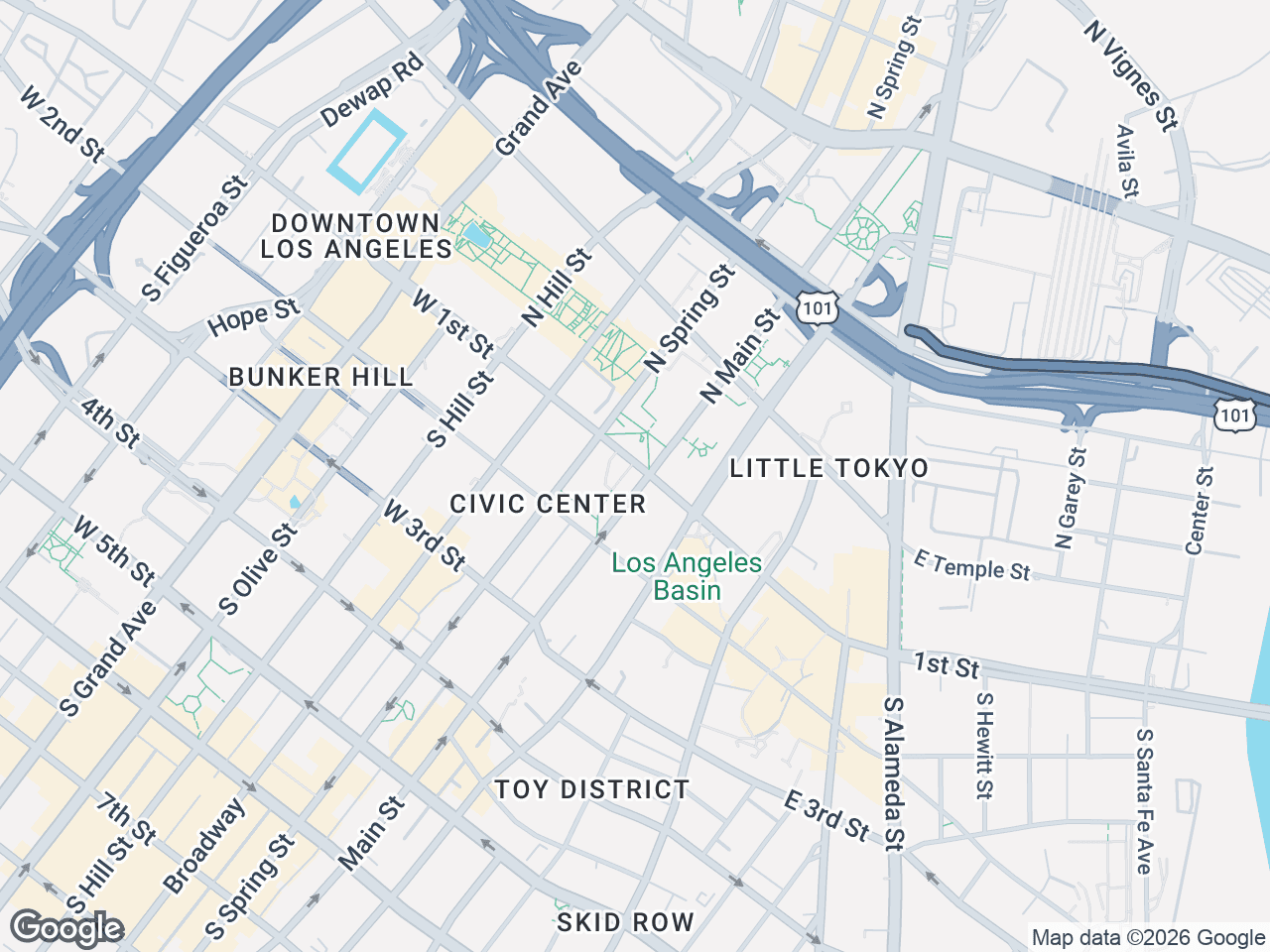
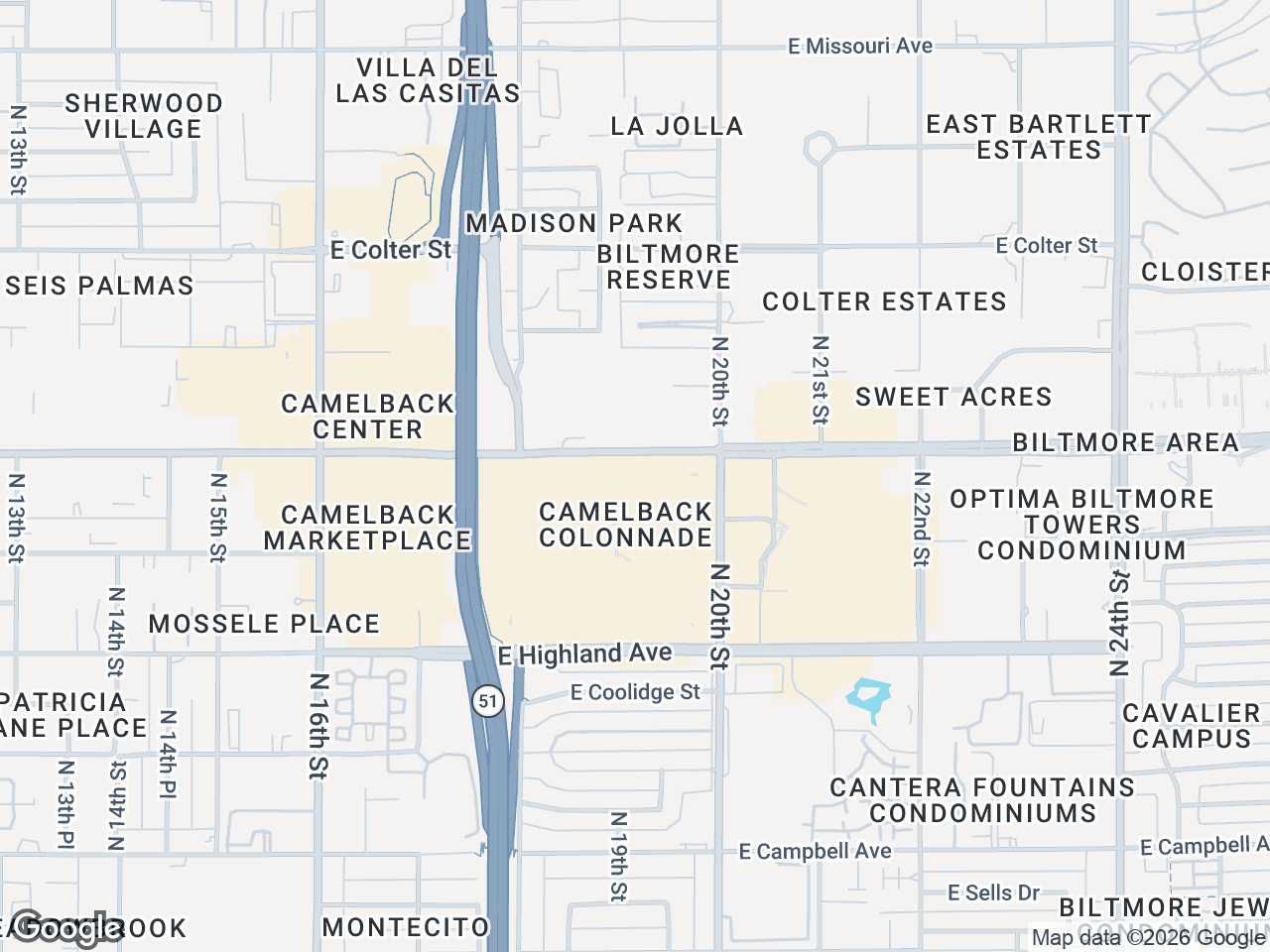
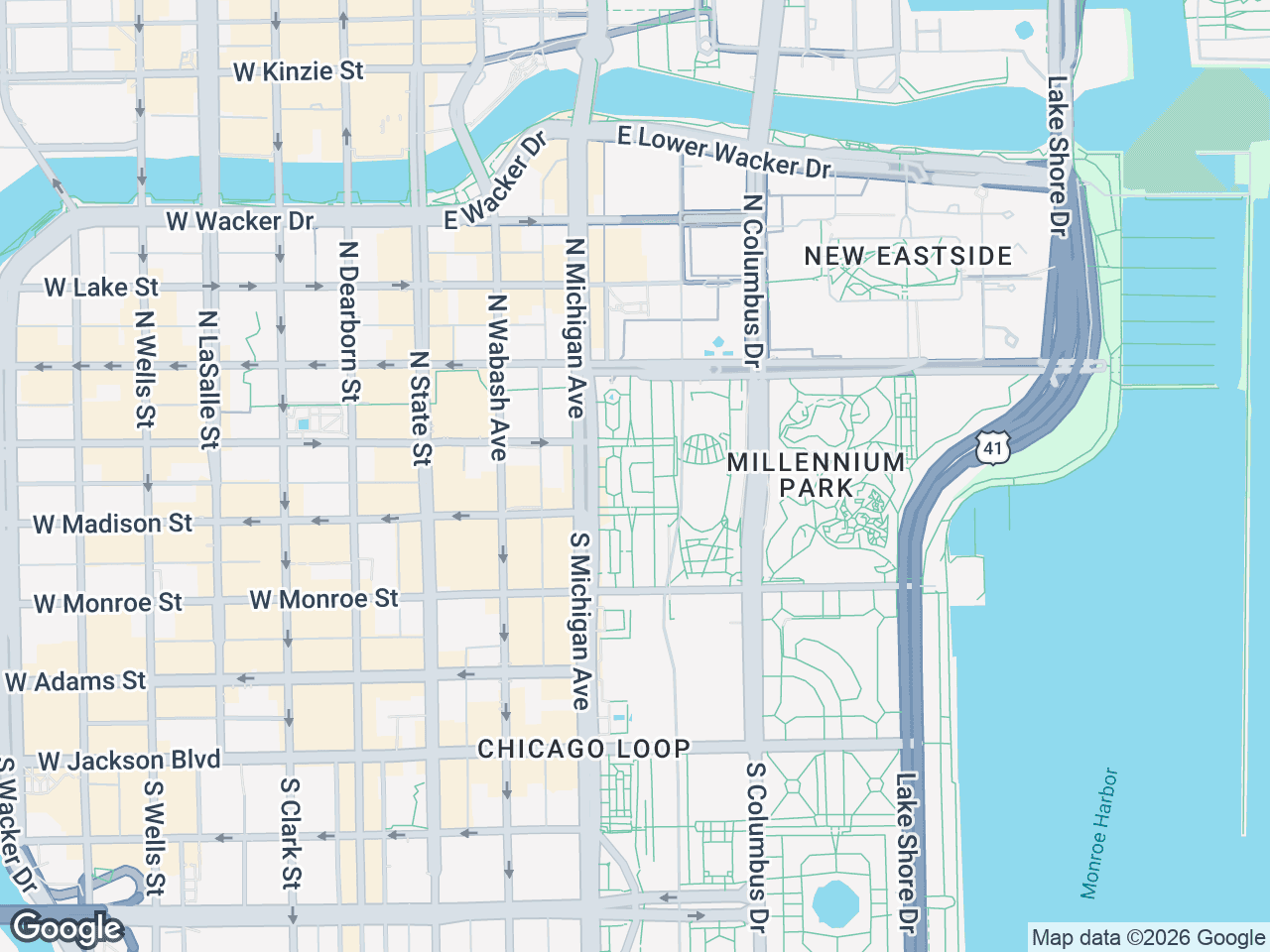
Retail maps are arguably the most underused marketing asset in commercial real estate. A well-designed retail map shows a property's location, surrounding tenants, traffic patterns, and key landmarks on a single visual. It answers the most common prospect question — "What's around the property?" — without requiring a site visit.
When to use them: Every retail listing should have a retail map. They belong in offering memorandums, property flyers, email campaigns, and listing presentations. For investment sales, a retail map showing national credit tenants nearby strengthens the location narrative. For leasing, it demonstrates co-tenancy and foot traffic drivers.
Best practices:
- Include 15 to 25 of the most relevant surrounding tenants. Don't overcrowd the map — focus on businesses that tell a story about the trade area.
- Use recognizable brand logos instead of generic pins or dots. A Whole Foods logo communicates more than a green marker labeled "grocery."
- Add leader lines connecting logos to their exact map locations so the map remains geographically accurate.
- Match the map's color scheme to your brokerage branding for a cohesive look across all your materials.
- Export at high resolution. A blurry map in a printed OM undermines the entire document.
Tools like CRE Retail Maps are purpose-built for this. With a library of over 1,000 brand logos, auto-find for nearby businesses, eight map styles, and PDF export with branded templates, you can produce a professional retail map in 10 to 15 minutes without any design skills. The drag-to-group containers and leader lines handle layout automatically, and the high-resolution PNG export (up to 4K) ensures your maps look sharp in print and on screen.
Offering Memorandums (OMs)
The offering memorandum is the flagship document in investment sales. It's a comprehensive package — typically 20 to 50 pages — that presents the property, the financials, the market, and the investment thesis to prospective buyers.
When to use them: Every investment sale listing needs an OM. It's the document that gets sent to qualified buyers and forms the basis of their initial underwriting.
Best practices:
- Lead with the executive summary. Buyers review dozens of OMs. Your first two pages need to communicate the opportunity clearly: property type, location, price, cap rate, and key selling points.
- Include a retail map. The aerial/retail map page is often the most-viewed page after the executive summary. It gives buyers an instant feel for the trade area without reading paragraphs of market analysis.
- Use consistent design. Typography, colors, and layout should match your brokerage brand. Inconsistent design signals a rushed or careless process.
- Present financials clearly. Rent rolls, operating statements, and pro formas should be formatted as clean tables with clear labels. Avoid cramming too much data onto a single page.
- Include demographic data. Population, household income, traffic counts, and daytime employment within one-, three-, and five-mile radii provide essential context for evaluating the trade area.
Many brokerages use InDesign or hire graphic designers for OMs. If you're a smaller shop, tools like Canva or even well-formatted PowerPoint can produce clean results — but the retail map component is best handled by a specialized tool that ensures geographic accuracy and logo quality.
Property Flyers
The property flyer is a one- or two-page summary designed for quick distribution. Think of it as the OM's elevator pitch — enough to generate interest and prompt a follow-up call.
When to use them: Email blasts to your buyer or tenant database, printed handouts at industry events, and quick-share links on listing platforms.
Best practices:
- One page is ideal. If you can't communicate the opportunity on a single page, you're including too much detail for this format.
- Hero image matters. Use a professional photo or aerial view as the dominant visual. If the property is retail, a retail map showing surrounding tenants can serve as the hero image.
- Limit text to essentials. Property type, size, price or asking rent, location, and two to three key highlights. Save the details for the OM.
- Include a clear call to action. Your name, phone number, email, and a line like "Contact for offering memorandum" or "Schedule a tour."
- PDF format for distribution. Flyers should be sent as PDFs, not Word documents or image files. PDFs maintain formatting across devices and are easy to print.
Property Brochures
Brochures sit between flyers and OMs in terms of depth. They're typically four to eight pages and provide more context than a flyer without the exhaustive detail of an offering memorandum.
When to use them: Leasing presentations, property tours (leave-behinds), and initial outreach to prospective tenants who need more than a flyer but aren't ready for a full OM.
Best practices:
- Tell a location story. Use the first spread to establish the property's position in the market. An aerial photo, a retail map, and a brief description of the trade area set the stage.
- Highlight the space. Floor plans, suite availability, buildout photos, and key specs (ceiling height, loading, parking ratio) should be front and center.
- Include tenant information. For multi-tenant properties, show the current tenant roster and any anchor tenants. This is where a retail map with grouped logos in labeled containers is particularly effective.
- Keep it current. Brochures go stale fast. When a suite leases or a tenant changes, update the brochure immediately. Using digital tools that allow quick edits is far more practical than redesigning a printed piece.
Email Campaigns
Email remains the primary distribution channel for CRE marketing materials. Whether you're blasting a new listing to your database or nurturing a relationship with a specific buyer, email is how materials get in front of decision-makers.
When to use them: New listing announcements, price reductions, market updates, and deal tombstones (closed transaction announcements).
Best practices:
- Subject line is everything. "New Listing: 12,000 SF Retail — Main & 5th, Phoenix" outperforms "Check Out This Opportunity" every time. Be specific.
- Embed the flyer or a key image. Don't just attach a PDF and hope people open it. Include the hero image or retail map directly in the email body so recipients see the property before deciding whether to click.
- Segment your list. A retail investor in Phoenix doesn't care about an office listing in Chicago. Sending targeted emails to relevant segments improves open rates and protects your reputation as a broker who sends useful information.
- Track engagement. Use email marketing tools (Mailchimp, Constant Contact, or CRM-integrated platforms) that show who opened, clicked, and downloaded. Follow up with engaged recipients.
Digital Listing Presentations
Increasingly, brokers are moving beyond static PDFs to interactive digital presentations. These might be web-based listing pages, interactive maps, or video walkthroughs.
When to use them: Virtual tours for out-of-market buyers, website listing pages, and social media content.
Best practices:
- Complement, don't replace. Digital presentations work best alongside traditional materials, not as a substitute. Buyers still want a downloadable OM for their files.
- Optimize for mobile. A significant percentage of initial property views happen on phones. Ensure your digital materials render well on small screens.
- Use video strategically. A 60-second drone flyover or property walkthrough can convey what 10 pages of text cannot. Keep videos short and professional.
Bringing It All Together
The most effective CRE marketing isn't any single piece — it's a coordinated system. Your retail map feeds into your OM, which feeds into your flyer, which drives your email campaign. Consistency across all of these materials builds brand recognition and professional credibility.
Here's a practical workflow for a new listing:
- Create the retail map using CRE Retail Maps. Use auto-find to populate nearby tenants, style the map to match your brokerage colors, and export in both high-res PNG (for digital) and PDF (for print).
- Build the OM around the retail map, adding financials, demographics, and property details.
- Extract the flyer by condensing the OM's executive summary and retail map into a single page.
- Launch the email campaign with the flyer embedded and the OM attached for serious inquiries.
- Update as needed. When a tenant changes or a price adjusts, update the retail map and let the changes cascade through your other materials.
This system scales. Whether you're marketing one property or fifty, the workflow remains the same. The tools you choose for each step determine how fast you move and how professional the output looks.
Invest in getting your retail maps right — they're the visual anchor that ties everything else together. A polished map with accurate logos, clean styling, and high-resolution export sets the tone for every other piece of marketing you produce.